Showing posts with label Paces Ferry. Show all posts

Tuesday, December 31, 2019

Children's Rooms Through the Years


Here are some tips on changing room decorations over the years.

Nursery
  • The key to longevity is keeping the essentials basic (e.g., beds, dressers, side tables) and decorating with temporary things. For example: White or mint-colored walls provide a basic pastel backdrop; you can then swap out knickknacks, wall photos and mobiles as your child grows up.
  • You can choose a theme or add a few prints and patterns in places, such as with the bed linens.
  • Keep colors gender neutral so your children can vary how masculine and feminine they want to decorate as they grow up, or easily swap rooms with a sibling.
  • Monochrome themes are sleek, but make it interesting with varied textures, wood accents and fun wallpapers.
  • Storage boxes are a must for storing baby care supplies and, later, toys. Consider buying a vintage or secondhand dresser for decorative storage.
Child's room
  • Involve your child: Bring in his or her favorite colors, hobbies and inspirations! Think of how to incorporate travels, comics, celebrity role models and your kid's dreams.
  • Swap out baby accessories for items for older kids.
  • Keep things simple; kids love to change their minds, so let their decorations bring the color and texture to the room.
  • Removable wall stickers let your kid change the walls easily and inexpensively.
  • A bedside light will let a child read before going to sleep and help him or her find the bathroom in the middle of the night.
  • Drape some string lights across the room for a cozy look.
  • When there are multiple kids to a room, keep the walls and furniture simple to reduce visual clutter; bring out each person's distinct personality but aim for complementary designs.
  • Storage is a must: Keep it at the edge of the room and leave space in the center for play. To encourage kids' tidiness, ensure storage is nearby and at their height.
  • Here are some fun features most kids love: a blackboard wall, a loft bedroom (if possible) or glow-in-the-dark painted stars on the ceiling.
  • Let your kids help out in the decorating; afterwards, they'll love their rooms!
Teen's room
  • A desk is a necessity for studying, as well as a place to spend free time online.
  • Storage is still essential, so make sure it's something he or she wants to use.
  • Give your teen display space for pictures, postcards and collections — peel-and-stick cork is inexpensive and easy to use.
Personal space is important, so let your teen decorate after you install the basic furniture.

Tuesday, October 1, 2019

What to Expect from Your Home Inspection


You made an offer and it was accepted. Your next task is to have the home inspected prior to closing. Agents often recommend you make your offer contingent upon a clean home inspection.
This contingency allows you to renegotiate the price you offered for the home, ask the sellers to cover repairs, or in some cases, walk away if challenges arise. Your agent can advise you on the best course of action once the report is filed.

How to Choose an Inspector

Your agent will most likely have a short list of inspectors they’ve worked with in the past to recommend to you. HGTV suggests you consider the following five areas when choosing the right home inspector for you:
1. Qualifications – Find out what’s included in your inspection and if the age or location of your home may warrant specific certifications or specialties.
2. Sample Reports – Ask for a sample inspection report so you can review how thoroughly they will be inspecting your dream home. In most cases, the more detailed the report,
the better.
3. References – Do your homework. Ask for phone numbers and names of past clients who you can call to discuss their experiences.
4. Memberships – Not all inspectors belong to a national or state association of home inspectors, and membership in one of these groups should not be the only way to evaluate your choice. Membership in one of these organizations does, however, often mean continued training and education are required.
5. Errors and Omission Insurance – Find out what the liability of the inspector or inspection company is once the inspection is over. The inspector is only human, after all, and it is possible they might miss something they should see.
Ask your inspector if it’s okay for you to tag along during the inspection, so they can point out anything that should be addressed or fixed.
Don’t be surprised to see your inspector climbing on the roof or crawling around in the attic and on the floors. The job of the inspector is to protect your investment and find any issues with the home, including but not limited to: the roof, plumbing, electrical components, appliances, heating and air conditioning systems, ventilation, windows, fireplace and chimney, foundation, and so much more.

Bottom Line

They say, ‘ignorance is bliss,’ but not when investing your hard-earned money into a home of your own. Work with a professional you can trust to give you the most information possible, so you can make the most educated decision about your purchase.

Thursday, September 26, 2019

Homeowners Are Happy! Renters? Not So Much.


When people talk about homeownership and the American Dream, much of the conversation revolves around the financial benefits of owning a home. However, two recent studies show that the non-financial benefits might be even more valuable.

In a recent survey, Bank of America asked homeowners: “Does owning a home make you happier than renting?” 93% of the respondents answered yes, while only 7% said no. The survey also revealed:
  • More than 80% said they wouldn’t go back to renting
  • 88% agreed that buying a home is the “best decision they have ever made”
  • 79% believed owning a home has changed them for the better
Those surveyed talked about the “emotional equity” that is built through homeownership. The study says more than half of current homeowners define a home as a place to make memories, compared to 42% who view a home as a financial investment. Besides building wealth, the survey also showed that homeownership enhances quality of life:
  • 67% of current homeowners believed their relationships with family and loved ones have changed for the better since they bought a home
  • 78% are satisfied with the quality of their social life
  • 82% of homeowners said they were satisfied with the amount of time they spend on their hobbies and passions since purchasing a home
  • 75% of homeowners pursued new hobbies after buying a home
Homeowners seem to be very happy.

Renters Tell a Different Story…

According to the latest Zillow Housing Aspirations Report, 45% of renters regret renting rather than buying — more than five times the share of homeowners (8%) who regret buying instead of renting. Here are the four major reasons people regret renting, according to the report:
  • 52% regret not being able to build equity
  • 52% regret not being able to customize or improve their rentals
  • 50% regret that the rent is so high
  • 49% regret that they lack private outdoor space
These two studies prove that renting is just not the same as owning.

Bottom Line

There are both financial and non-financial benefits to homeownership. As good as the “financial equity” is, it doesn’t compare to the “emotional equity” gained through owning your own home.

Tuesday, September 24, 2019

Should You Fix Your House Up or Sell Now?


With the fall season upon us, change is in the air. For many families, children are growing up and moving out of the house, maybe leaving for college or taking a jump into the working world. Parents are finding themselves as empty nesters for the first time. The question inevitably arises: is it finally time to downsize?

If you’re pondering that thought, you may also be wondering if you should fix-up your house before you sell it, or go straight to the market as-is, allowing a potential buyer to do the updates and remodeling. If you’re one of the many homeowners this camp, here are a few tips to help you decide which way to go.

1. Analyze Your Market

A real estate professional can help you to understand your market and the potential level of buyer interest and demand for your home. Are you in a seller’s market or a buyer’s market? This can change based on the price range of your home, too. A professional can also give you some insight on what you can change or remodel, and how to declutter your house to make it attractive to buyers in your area.

2. Get an Inspector

Right now, the average length of time a family stays in a home is between 9-10 years. That’s a little longer than the historical average, so if you’ve been living in your home for a while, it might be time to make some significant improvements. Think: electrical system, HVAC units, roof, siding, etc. An inspector can give you a better idea of the condition of your home, if it is up to current code standards, and recommendations on how to have your house ready before you put it on the market.

3. Decide If You Need to Remodel

You may also be thinking about driving buyer appeal with something like a kitchen or a bathroom remodel. If so, first dig into the market value of your home, and compare it to the actual cost of the remodel. A local real estate professional can help you determine your home’s market value, and you’ll want to get a few quotes from contractors on the potential remodel pricing as well. Once you have those two factors narrowed down, you can to decide if a remodel will give you a return on your investment when you sell. Oftentimes, it is actually more advantageous to price your house to sell, list it competitively, and then let the buyer pick the colors they want for their bathroom tiles and the type of countertop they prefer. The 2019 Cost vs. Value Report in Remodeling Magazine compares the average cost for remodeling projects with the value those projects typically retain at resale.

Bottom Line

Nationwide, inventory is low, meaning there is less than the 6-month housing supply needed for a normal market. This drives buyer demand, creating a perfect time to sell. If you’re considering selling your house, sit down with a local real estate professional. Partner with someone who can help you confidently determine what will be the best choice for you and your family.

Tuesday, July 23, 2019

What Do I Need to Know About Mold?


There are few things that homeowners dread more than mold in the house. You’ve likely heard horror stories about people living with mold infestations that made them seriously ill. Is this just hype, or is there a real danger to having mold in your home? More importantly, what can you do if you find mold growing somewhere in the house?

What Is Mold?

Mold is a broad group of fungi, with thousands of species and subspecies around the world that typically prefer dark and damp habitats. Often fuzzy in appearance (though occasionally slimy or cottony), molds spread across materials and break them down to get the nutrients the mold needs to survive and thrive. Instead of seeds, molds release single-celled spores that in many cases are too small to see with the naked eye; these spores float through the air to land on a variety of surfaces, beginning growth once they find themselves in a suitable habitat. Though molds are made up of a number of individual stalks fibers, a connected clump of mold is considered to be a single living entity.

Types of Mold

There are several common types of mold that you might see around the house. While some of these may not be inherently dangerous, any mold can trigger reactions in anyone with an allergy or sensitivity. The five most common of these molds are:
  • Aspergillus: One of the most common indoor molds, it often appears green, blue-green or gray but can also appear white or even yellow.
  • Cladosporium: A black or green mold that has an appearance like ground pepper, it commonly grows on smooth surfaces like toilets and painted walls but can also grow in fabrics and rugs.
  • Ulocladium: A black mold that grows in wet areas, especially in cracks and corners; it is most common in homes with water damage and active leaks.
  • Aureobasidium: Varying in color from pink to brown or black, this mold most commonly grows behind wallpaper, on painted surfaces and on wood.
  • Stachybortrys: The infamous “black mold”, it features a slimy dark green or black color and thrives in areas that are damp and maintain high humidity for weeks.

Is Mold Actually Dangerous?

While many molds are allergens, most will not cause severe reactions unless you have a mold sensitivity or have other health problems that make you more prone to infection. However, some molds (such as black mold) actually are toxic and can make you very sick if you’re around them for too long. Symptoms of a mold allergy or toxic mold exposure can include a chronic cough, skin rashes, fatigue, difficulty focusing and even pain or infection in your sinuses, eyes and ears.

Mold Testing and Removal

If you suspect that you have mold problems, there are home tests available to help you identify the type of mold in your home. These should only be a first step, however, as they often aren’t enough to definitively show you the scope of your mold problem. Call in an expert to confirm the results of your test or take a scraping of the mold and have it analyzed. Be sure to wear a dust mask or other breathing protection if you aren’t sure what type of mold you’re dealing with until the problem is taken care of.

For many mold infestations, getting rid of leaks or other sources of humidity is a great way to slow or even stop mold growth. Mold can cause serious damage over time, however, so you may need professional mold removal and repair services if you can’t get the problem under control early.
Is your home in need of some serious mold removal?

Thursday, July 18, 2019

The Surprising Profile of the Real Estate Investor


Over 10% of all residential homes are purchased by investors, and that number continues to rise. Who are these investors?

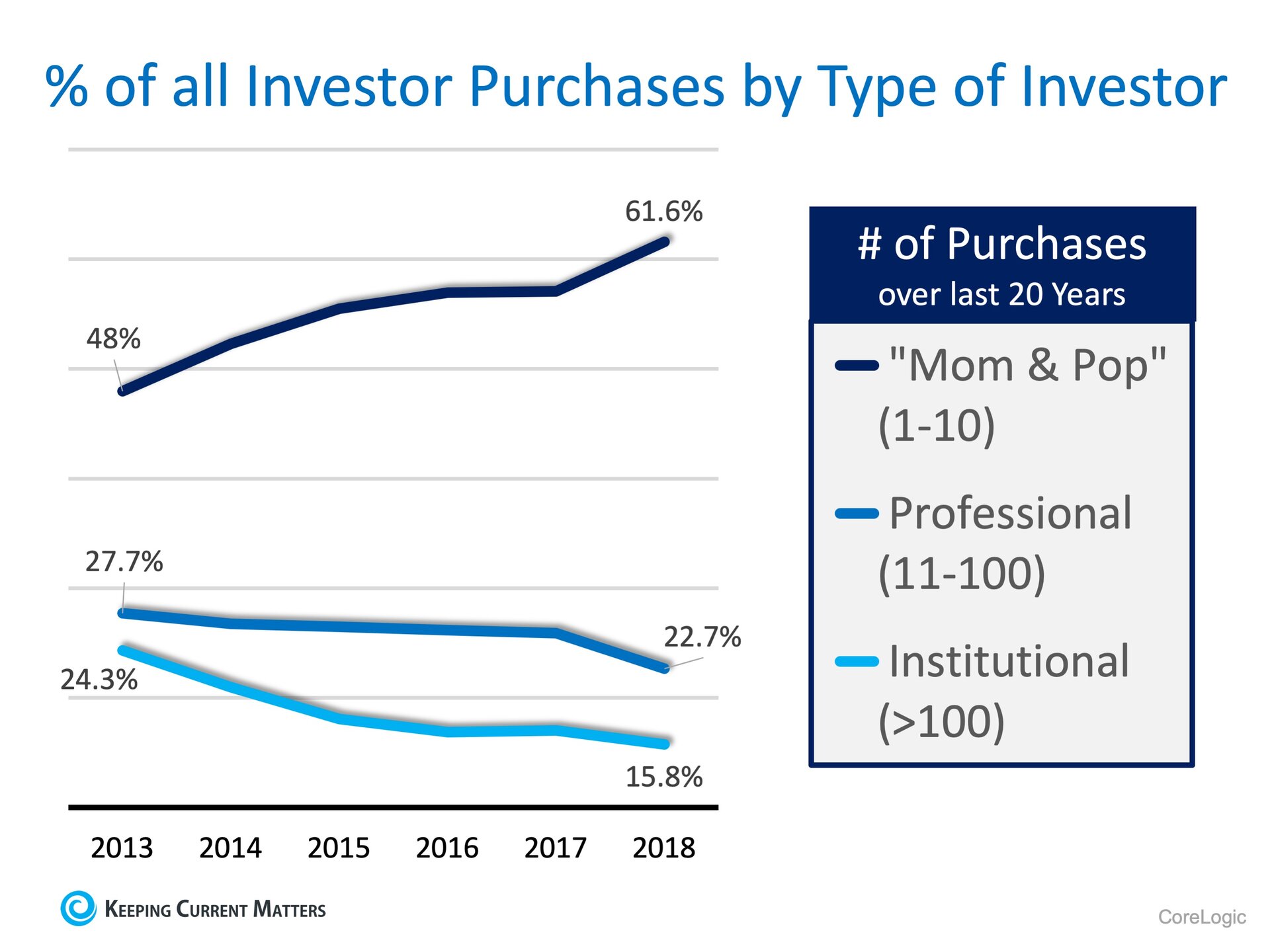
Many have speculated that the large institutional conglomerates such as Blackstone, American Homes 4 Rent, and Colony Starwood dominate investor purchases. However, a special report on investor home buying by CoreLogic, Don’t Call it a Comeback: Housing Investors Have Been Here for Years, shows this is not the case.

Ralph McLaughlin, CoreLogic’s Deputy Chief Economist and author of the report, explained his findings at the recent National Association of Real Estate Editors conference in Austin:
“Investor buying activity in the U.S. is at record highs. And our records go back confidently, about 20 years…
What’s going on and why? Well, it turns out, it’s not the big institutional guys that are leading the increase in home buying. It’s actually the smaller guys. It’s those that have bought between one and ten properties over this 20-year period, they’re the ones that are really leading the increase in investor home buying.”
Here is the breakdown of the percentage of purchasers by type of investor over the last six years according to the report:The Surprising Profile of the Real Estate Investor | Keeping Current MattersAs the graph shows, the percentage of “Mom & Pop” investors is currently dominating the number of homes purchased by investors, as the percentage of homes purchased by both professional and institutional investors is falling.

Bottom Line

Most houses purchased by an investor are bought by small investors looking to diversify their financial portfolio by adding a real estate component. If you are investing in real estate as either a landlord or someone who fixes-up and flips the house, speak to a local real estate professional. They can help you build or liquidate your current portfolio of properties.

Thursday, July 11, 2019

Americans’ Powerful Belief in Homeownership as an Investment


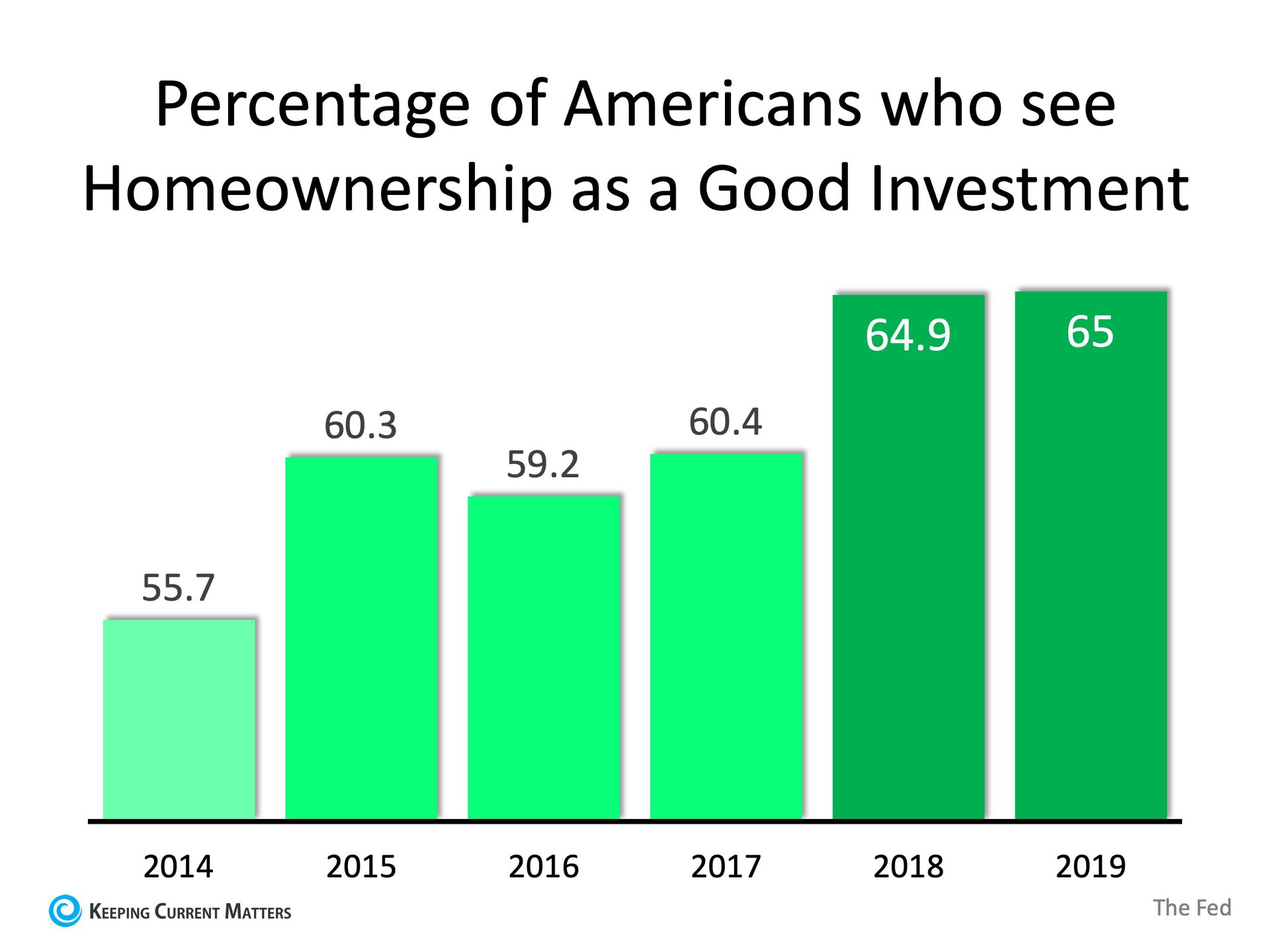
The Federal Reserve Bank (The Fed) recently released their 2019  Survey of Consumer Expectations Housing Survey. The survey reported that 65% of Americans believe homeownership is a good financial investment. Since 2014, the percentage has increased by over nine percent.Americans' Powerful Belief in Homeownership as an Investment | Keeping Current MattersThe Fed’s survey also showed that when the results are broken down by age, education, income, or region of the country, more than 55% of Americans in each category see homeownership as a good investment.

This coincides with a recent Gallup survey of Americans which revealed that real estate was their number one choice for the best long-term investment when compared to stocks, savings accounts or gold.

Bottom Line

Americans’ belief in residential real estate as a good financial investment continues to grow as the housing market returns to normalcy.

Thursday, February 9, 2017

Find Your Home In The City!

Downtown Atlanta is a thriving place with a growing residential population and office workers, as well as students, visitors and conventioneers. Downtown Atlanta is attracting people from a host of different walks of life, different areas of the city, and different income levels. Downtown residents walk to work while others sit in traffic; they enjoy incredible views of skylines and parks while others view sprawling parking lots of discount malls. Downtown residents even get world-class entertainment and sporting events delivered to their front yard versus ordering pay per view. Whether you are looking for world-class musical artists, avant-garde art galleries, or your favorite professional sports team, look for them in Downtown. Over 100 dining establishments, several shopping venues, and more than twenty attractions within a four square mile area, make Downtown a happening place to live.